The following terms are included in the first chapter of the “GUIDE-INTERPRETER OF GEOTURISM” manual, created through EU ERASMUS Framework.
Project name: GEOTUR: Validation and recognition of two competence units in geological tourism Project no. 2018-1-ES01-KA202-050397
Absolute age
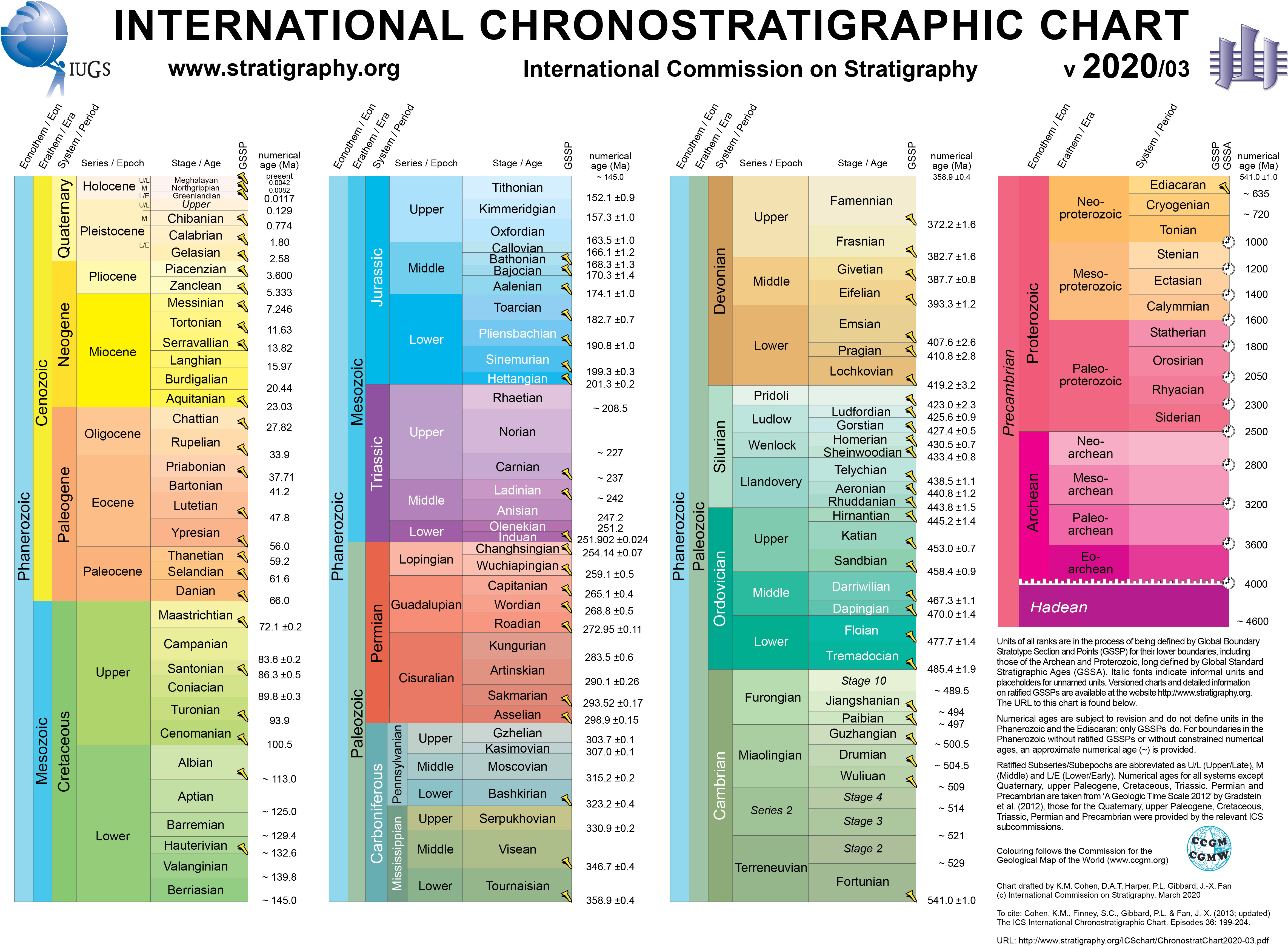
or numerical age, is the age of a specific geologic event expressed in Earth years. For example, the limit between Mesozoic and Cenozoic is 66 million years, it is also the date when non-avian dinosaurs dissapeared.
Andesite
Is an extrusive igneous, volcanic rock, of intermediate composition, with aphanitic to porphyritic texture Andesite is the intermediate type of rock between basalt and granite.
Anthropocene
Defines Earth's most recent proposal for a geologic time interval as being human-influenced, or anthropogenic, based on overwhelming global evidence that atmospheric, geologic, hydrologic, biospheric and other earth system processes are now altered by humans.
Anticline
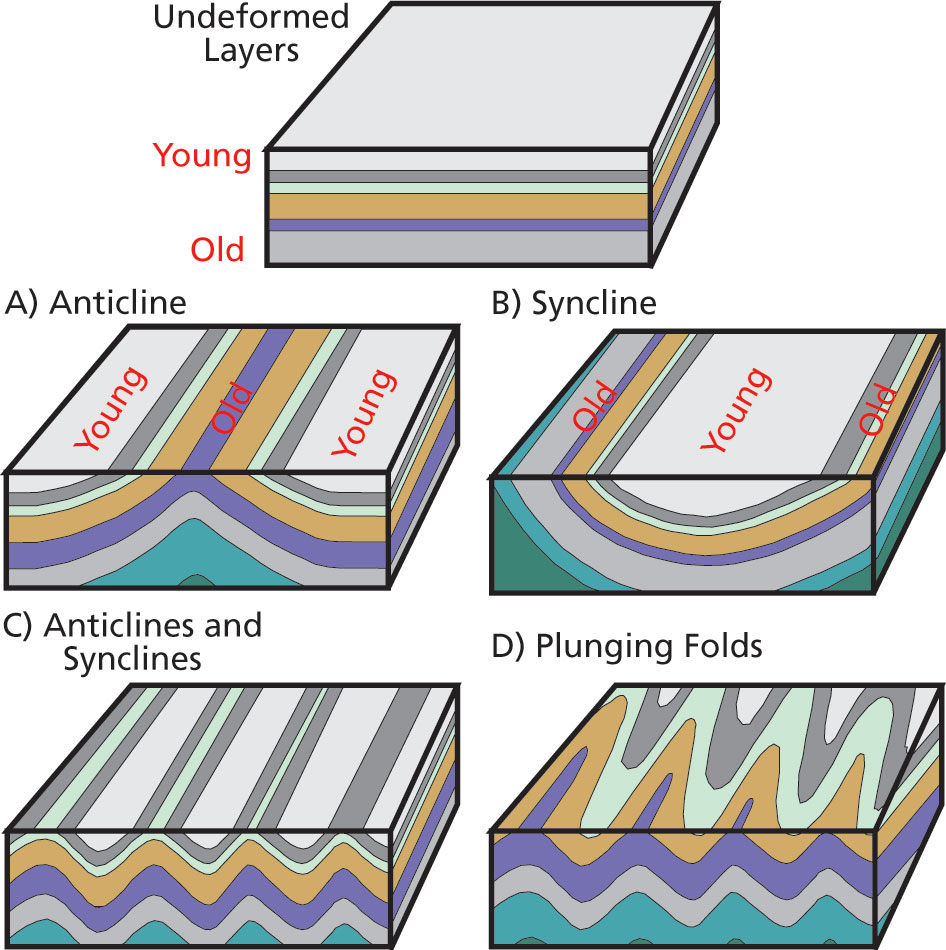
A deformation of rock bodies generating a fold that is convex upward
Aquifer
Any geological formation containing or conducting underground water, especially one that supplies the water for wells, springs.
Asthenosphere
The highly viscous, mechanically weak and ductilely deforming region of the upper mantle of the Earth. It lies below the lithosphere, at depths between approximately 80 and 200 km below the surface
Basalt
The most common type of extrusive volcanic rock, with aphanitic texture (very small cristals), typically erupted at shield volcanoes and mid oceanic ridges
Batholith
a large mass of intrusive igneous rock that forms from cooled magma deep in the Earth's crust and can be exposed due to uplift and erosion.